Regular Trimming Removes Pest Homes Before They Spread
A tree pruning service helps prevent pest infestations by removing weak, dead, or crowded branches where insects and rodents like to live. When trees are trimmed on a routine schedule, there are fewer hiding spots for pests. This lowers the chance that bugs move from trees to your roof, attic, or yard. Clean, healthy trees are less likely to attract termites, ants, beetles, and even rats.
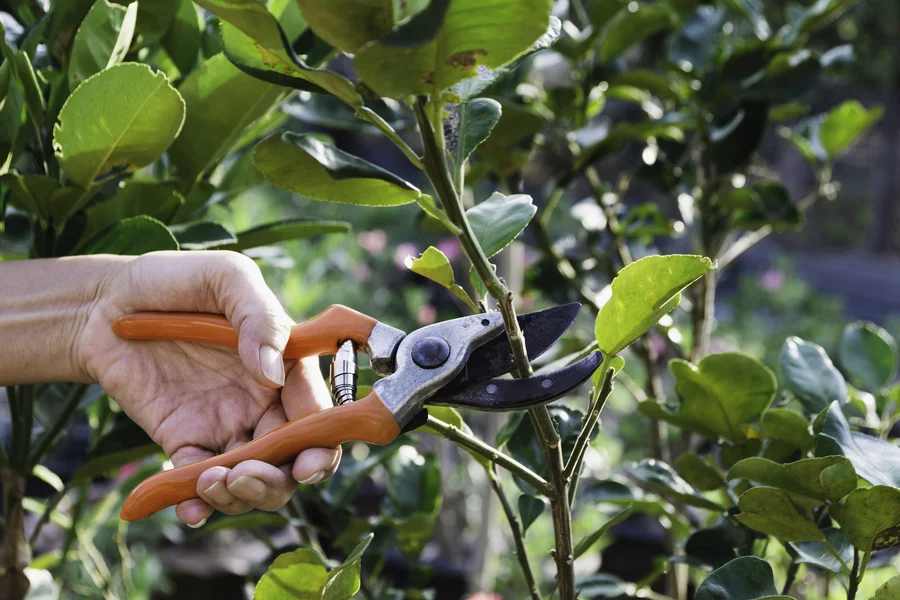
Why Prevention Matters
Pests often start small. A few insects in a dead branch may not seem like a big deal. Over time, that branch becomes a nesting site. The problem grows and spreads.
Dead wood is one of the biggest attractors. Rotting limbs hold moisture. Moisture draws insects. Insects draw larger pests. Before long, the issue moves from the tree to your home.
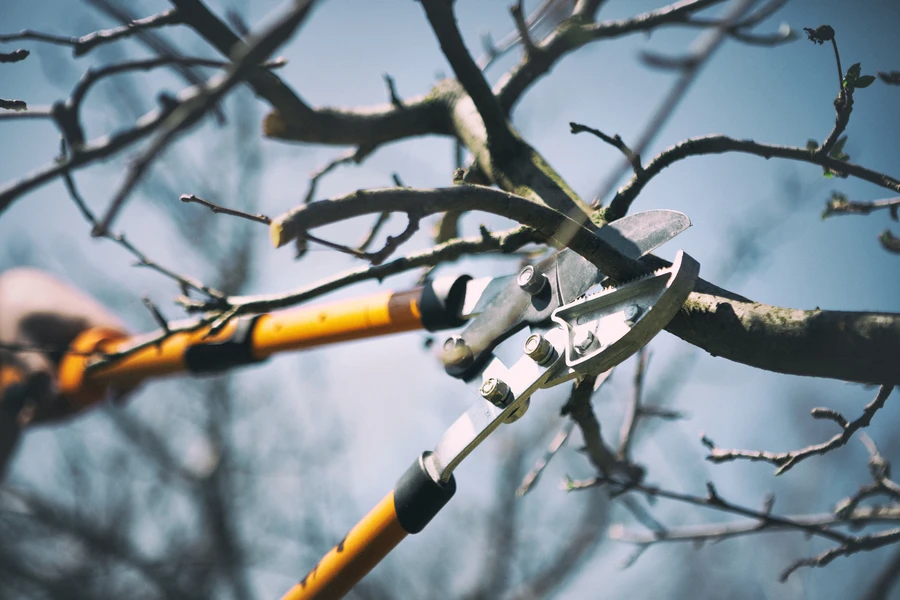
Preventive pruning cuts off the problem early. It removes the parts pests love most. It also helps trees grow stronger, which makes them less likely to decay.
Early Warning Signs of Pest Problems
Many homeowners do not notice pest activity until damage is severe. You can often spot signs early if you know what to look for.
- Small holes in bark
- Sawdust-like material at the base of the tree
- Large sections of dead branches
- Sticky sap leaking from cracks
- Branches touching your roof or siding
- Nests or chew marks in limbs
If you see these signs, trimming and cleanup may stop the spread before it reaches your home.
Seasonal Tree Care Checklist
Tree care works best when done on a schedule. Different seasons bring different risks. A simple plan keeps pests under control all year.
- Inspect trees in early spring for winter damage or broken limbs.
- Trim back branches that hang over your roof before summer.
- Remove dead wood during dry seasons to limit rot.
- Clear fallen branches and debris from the yard.
- Check again in fall for cracks, fungus, or nesting signs.
A professional tree pruning service can guide you on the best timing based on tree type and climate.
Best Practices for Long-Term Results
Proper pruning is more than cutting random limbs. Smart trimming improves airflow and sunlight inside the canopy. Dry, open trees are far less inviting to insects.
Here are a few habits that make a big difference:
- Keep branches at least six to ten feet from your home.
- Remove weak branch unions that may crack later.
- Thin crowded sections so air can move freely.
- Cut cleanly near the branch collar so wounds heal faster.
- Avoid leaving stubs that decay over time.
Healthy trees fight off pests better. When growth is balanced and strong, insects have fewer chances to settle in.
What Not to Do
Improper trimming can make pest problems worse. Topping a tree, for example, creates large wounds. Open wounds attract insects looking for easy entry.
Do not ignore small patches of dead wood. Even minor decay can spread. Also, avoid stacking cut branches against your house. Wood piles close to walls attract termites and ants.
Another mistake is waiting too long between maintenance visits. Trees grow fast. Skipping care for years gives pests time to move in.
When to Schedule Professional Help
You should schedule a tree pruning service if you notice major dead limbs, heavy canopy growth, or branches touching structures. Large trees near power lines also require expert handling.
Professionals know how much to remove without harming the tree. They also check for early pest damage that most people miss. Safe and proper trimming keeps your yard protected and your trees strong.
If your goal is prevention, routine service every one to three years works well for most properties. High-risk areas may need yearly checks.
Protect Your Trees and Property
At Hernandez Cruz Tree Removal & Stump Grinding, we help property owners in St Pauls, NC reduce pest risks with safe and reliable pruning services. Our team focuses on removing problem limbs before insects spread to your roof or siding. Call us at (910) 705-0281 to schedule an inspection and let us keep your trees healthy and your property protected year-round.