Smart Pruning Methods That Keep Trees Strong and Balanced
Tree trimming that protects tree structure focuses on removing the right branches without harming the tree’s natural shape. The goal is to keep one strong main trunk, well-spaced limbs, and balanced growth. When done the right way, trimming helps trees grow sturdy, live longer, and handle wind and storms better.
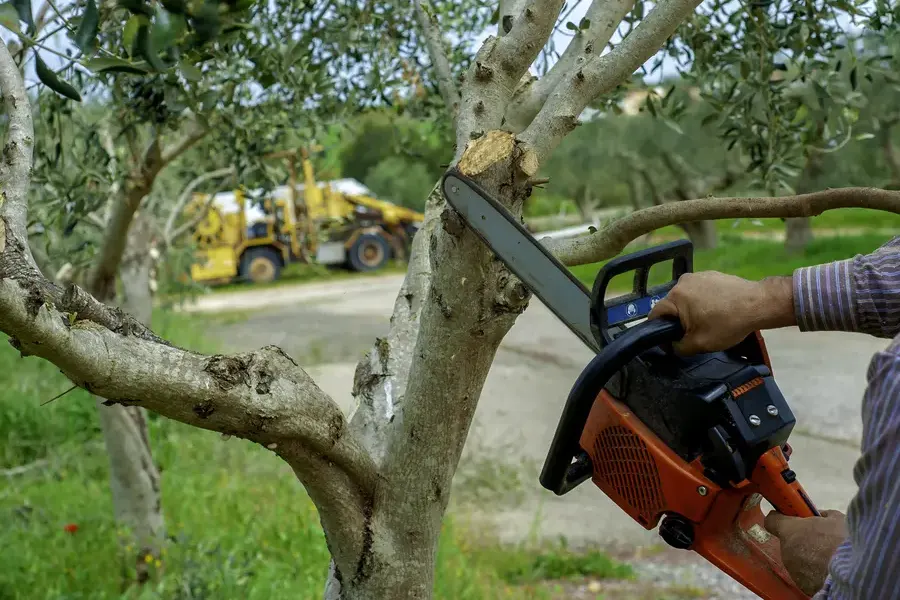
What You Need Before Starting
Before you begin any tree trimming, you need the right tools and a clear plan. Random cuts can weaken a tree for years.
Basic tools include:
- Sharp hand pruners for small branches
- Loppers for medium limbs
- A pruning saw for larger branches
- Safety gloves and eye protection
- A sturdy ladder if needed
Make sure your tools are clean and sharp. Dull blades tear bark. Torn bark invites disease and pests. Also, step back and study the tree. Look at its natural shape. Find the main trunk, called the central leader. Strong structure starts there.
Step-by-Step Process for Structural Tree Trimming
Follow these steps to protect the tree’s framework while trimming.
- Identify the central leader. Most trees should have one main trunk growing upward. If two leaders compete, choose the stronger one and shorten or remove the weaker one while it is still small.
- Remove dead or broken branches first. Dead wood adds weight and risk. Cut back to healthy wood or the branch collar.
- Cut crossing or rubbing branches. When branches rub, they damage bark. Remove the weaker or poorly placed limb.
- Encourage wide branch angles. Strong limbs grow at about a 45 to 60 degree angle from the trunk. Remove narrow, tight angles that may split later.
- Thin lightly, not heavily. Do not remove more than 20 to 25 percent of the canopy in one season. Too much cutting shocks the tree.
- Make proper cuts. Always cut just outside the branch collar. Do not leave long stubs. Do not cut flush against the trunk.
This method supports good branch spacing and keeps weight balanced across the canopy.
Common Mistakes to Avoid
Many tree problems begin with poor trimming habits. Avoid these common errors.
- Topping the tree by cutting large branches straight across
- Removing large limbs from mature trees all at once
- Leaving long branch stubs
- Cutting too close to the trunk and damaging the collar
- Trimming at the wrong time of year
Topping is one of the worst mistakes. It creates weak, fast-growing shoots that break easily. It also ruins the tree’s natural shape. Good tree trimming keeps the tree looking balanced and healthy, not hacked apart.
Why Structure Matters for Long-Term Health
A tree with strong structure is safer and healthier. Balanced limbs spread weight evenly. A single strong trunk supports growth upward. Proper spacing allows light and air through the canopy.
Young trees benefit the most from structural trimming. Early training reduces future problems. It also lowers the need for large cuts later in life. With regular care, trees develop solid branch unions that resist storm damage.
When to Call a Professional
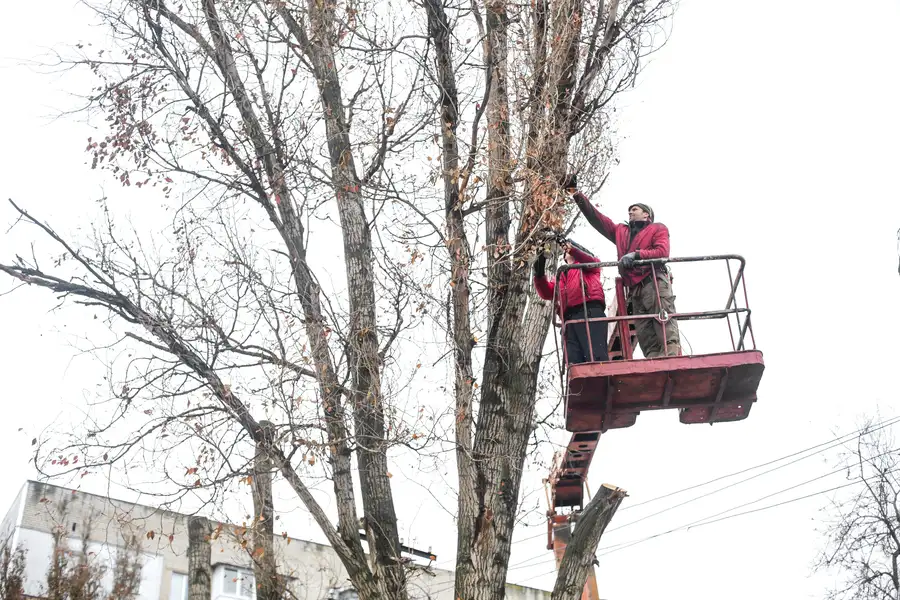
Some jobs are too risky for DIY work. Large trees, high branches, and heavy limbs can be dangerous. If a branch hangs over your home or power lines, that is not a small task.
You should also call a professional if:
- The tree is taller than you can safely reach
- Major limbs need removal
- The tree has storm damage
- You are unsure which branches form the main structure
Certified crews know how to shape trees without weakening them. They understand growth patterns and proper cutting methods. This helps protect both your property and the tree itself.
Protect Your Trees the Right Way
Strong trees start with smart trimming decisions. In St Pauls, NC, trees face wind, heat, and seasonal weather changes that can stress weak limbs. At Hernandez Cruz Tree Removal & Stump Grinding, we focus on safe, structural tree trimming that supports long-term health and balance. If you would like guidance or need expert care, call us at (910) 705-0281 and let us help your trees grow strong for years to come.